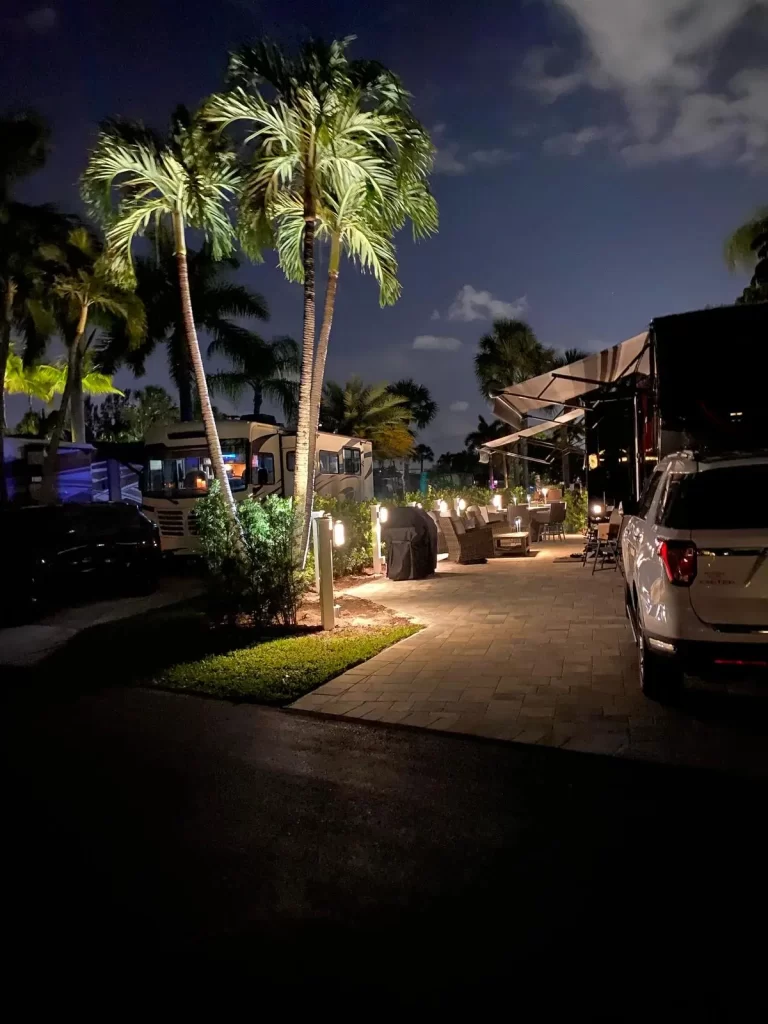
High-mast lights illuminate large areas from significant heights, making them essential for safety and productivity in commercial, industrial, and recreational settings. However, their height and complexity mean that troubleshooting issues isn’t as straightforward as standard lighting repairs.
Whether you manage a parking lot, sports field, or industrial site, understanding the basics of high-mast light repair ensures efficient problem-solving, minimizes downtime, and enhances safety.
Understanding High-Mast Light Repair Systems
Before troubleshooting, it’s important to understand what makes high-mast lighting unique. These systems typically include:
- Tall poles: Often 50–150 feet, requiring specialized equipment to access
- Multiple fixtures per pole: Usually 4–12 fixtures on a circular frame
- Motorized or manual winch systems: For lowering fixtures to the ground
- Controllers and electrical infrastructure: Photocells, timers, and circuit breakers
Because of this complexity, a systematic approach to troubleshooting ensures problems are identified correctly and safely.
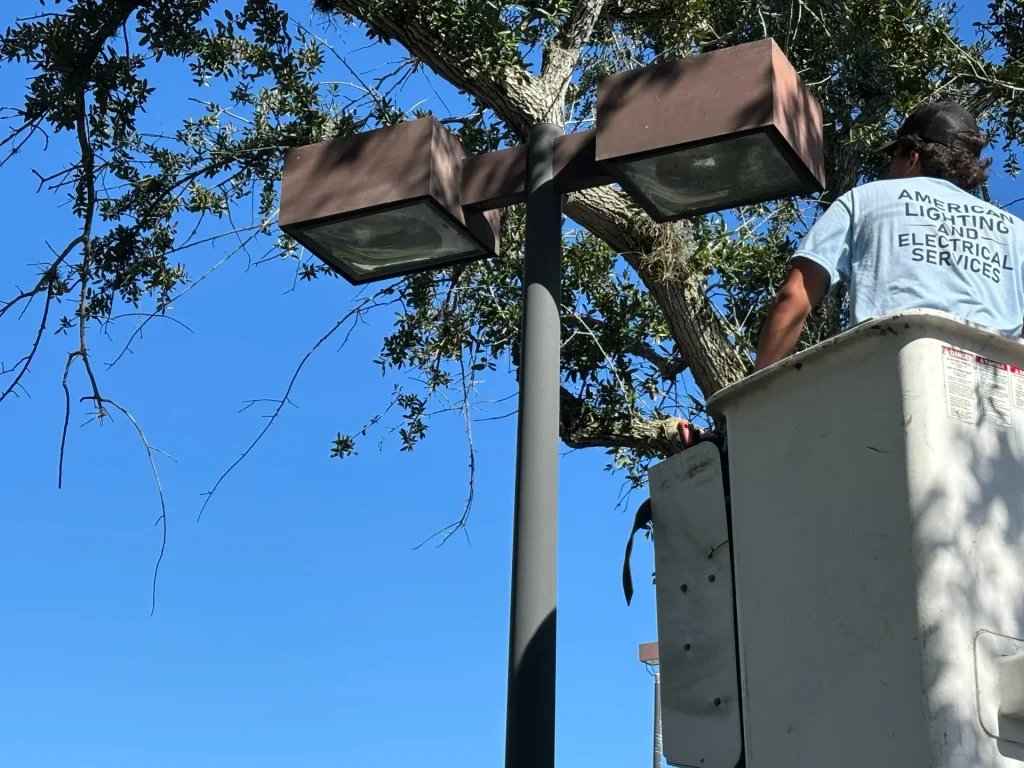
Common High-Mast Lighting Issues
Most high-mast lighting problems fall into one of these categories:
- Burnt-out bulbs or LED modules – Even long-life LEDs eventually fail.
- Ballast or driver failures – Faulty electrical components can cause intermittent or complete outages.
- Control system malfunctions – Photocells, timers, and automated controllers can fail or misalign.
- Mechanical or structural issues – Worn winch cables, rusted mounts, or tilting poles.
- Environmental damage – Corrosion, water ingress, and lightning strikes.
Understanding these common issues is the first step toward effective troubleshooting and repair.
Safety First: Precautions for Troubleshooting
High-mast lighting work carries significant risks. Safety is paramount:
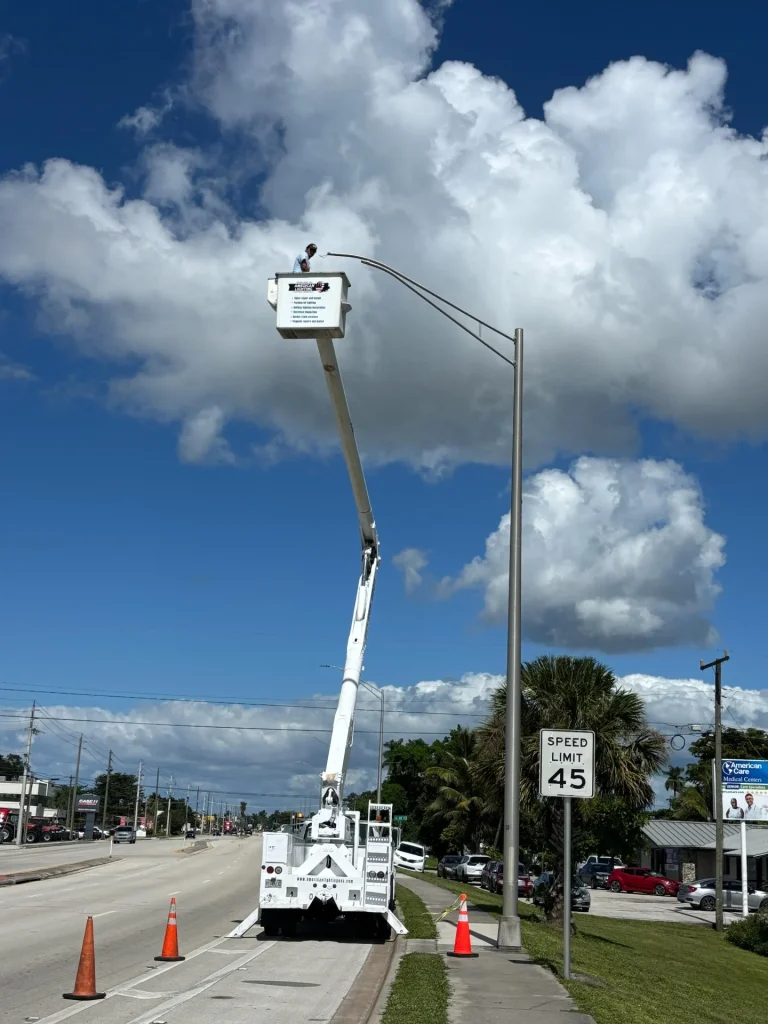
- Use proper access equipment – Bucket trucks or crane lifts should be employed for tall poles.
- Turn off power at the source – Avoid electrocution by ensuring circuits are de-energized.
- Wear personal protective equipment (PPE) – Gloves, helmets, fall protection, and safety glasses.
- Check weather conditions – Avoid maintenance during high winds or storms.
If unsure about any aspect, always consult with professionals who offer bucket truck services or specialized high-mast lighting maintenance.
Step-by-Step Troubleshooting Guide
Here’s a systematic process to identify and resolve high-mast lighting problems:
1. Inspect from the Ground
Start by observing the lights from a safe distance:
- Identify which fixtures are out or flickering
- Check for obvious physical damage or misalignment
- Look for signs of corrosion or vandalism
Ground-level inspection helps prioritize which poles or fixtures need further attention.
2. Lower the Fixtures Safely
Most high-mast systems allow lowering via motorized winch or manual cable:
- Ensure the mechanism is functioning correctly
- Use a bucket truck if available for added safety
- Inspect the winch cable for fraying, rust, or broken strands
Proper lowering reduces the risk of accidents during inspection and repair.
3. Check Electrical Components
Once accessible, inspect the electrical elements:
- Test bulbs or LED modules for continuity
- Inspect ballasts, drivers, and wiring connections
- Check photocells, timers, and breakers for proper function
Replace faulty components according to manufacturer guidelines. For complex failures, consider full electrical system diagnostics.
4. Test the Control System
Automated lighting controls often fail due to misalignment or component failure:
- Test photocells under daylight and darkness
- Verify timers and automation software are correctly programmed
- Reset or recalibrate controllers if necessary
This ensures lights operate as intended and reduces false service calls.
5. Inspect Structural Elements
High-mast poles and fixtures face significant environmental stress:
- Check mounts, bolts, and brackets for corrosion
- Inspect poles for bending or cracking
- Examine fixture housings for water intrusion
Structural integrity prevents dangerous fixture falls and supports long-term reliability.
6. Reassemble and Test
After repairs, carefully reassemble:
- Ensure all components are securely mounted
- Restore power and monitor operation
- Document all repairs for maintenance records
Proper testing ensures no new issues arise after the intervention.
Preventive Measures to Avoid Future Failures
Troubleshooting is reactive, but proactive maintenance reduces future problems. Consider:
- Regular inspections: Quarterly or semi-annual checks help catch early signs of wear
- Cleaning fixtures and lenses: Removes dust, pollution, and insect debris that reduce light output
- Scheduled component replacement: Replace bulbs, drivers, or controllers before failure
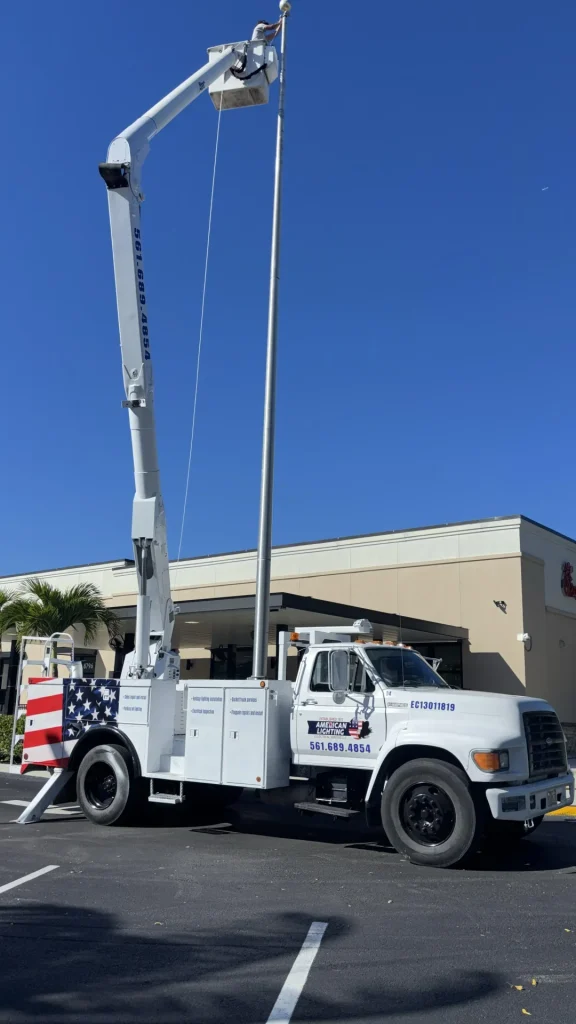
- Professional maintenance contracts: Reduce downtime and extend system life via high-mast lighting maintenance
Benefits of Proper High-Mast Light Repair and Maintenance
Consistent maintenance and timely troubleshooting offer:
- Improved safety for vehicles and pedestrians
- Reduced emergency repair costs
- Extended lifespan of lighting equipment
- Better energy efficiency
- Enhanced property security and visibility
This reinforces an educational goal by teaching readers the value of proactive maintenance and troubleshooting.
Frequently Asked Questions
How often should high-mast lights be inspected?
Inspect at least twice a year, and more frequently in areas with harsh weather or heavy use.
Can I troubleshoot high-mast lights without a bucket truck?
Only if the system has a reliable lowering mechanism. Otherwise, use professional bucket truck services.
What are the signs of a failing high-mast lighting control system?
Flickering lights, lights turning on/off at the wrong time, or inconsistent illumination patterns indicate control issues.
How do I prevent water or corrosion damage?
Use weather-rated fixtures, seal electrical enclosures properly, and schedule regular inspections.

Conclusion
High-mast lighting is vital for safety, productivity, and security in large commercial spaces. By understanding common issues, following safety protocols, and implementing systematic troubleshooting, property managers can efficiently resolve problems and maintain optimal illumination.
For complex or elevated systems, partnering with experts who provide high-mast light repair services ensures safety, reliability, and long-term performance.