
Energy Efficiency Solutions in West Palm Beach

Energy Efficiency Solutions for Your Property
Energy efficiency solutions begin with a straightforward question: what equipment is operating, where, and for how long?
American Lighting & Electrical Services discusses practical electrical and lighting options with homeowners, property managers, and commercial decision-makers. We review relevant equipment and operating patterns, identify suitable improvements, and agree on the electrical work before installation. This project review is not a certified whole-building energy audit or a guarantee of measured savings. A panel replacement, rewiring, or surge protection may address capacity or condition; none automatically reduces consumption by itself.
One property may benefit from a compatible fixture replacement; another may need a control adjusted or an existing fault assessed first. The right choice depends on required illumination, equipment condition, installation scope, and your goals.
Explore energy-saving lighting solutions for detailed lighting work and smart lighting controls for broader connected options. This page helps you decide which energy efficiency solutions to discuss first.
From Your Priorities to Practical Improvements

Discuss Your Priorities
Tell us where the property is, how it is used, and what you want to improve. Mention lighting that operates frequently, controls that are inconvenient, or planned renovations.

Review Existing Systems and Use
Review the relevant equipment, operating patterns, accessible wiring, controls, and required lighting functions within the proposed scope. The aim is to understand useful options and compatibility, not to promise formal metering, thermal imaging, or a certified whole-building audit.

Recommend and Install Selected Upgrades
Discuss the available energy efficiency solutions, expected work, and any associated coordination before selecting an approach. Complete the agreed electrical or lighting installation using suitable equipment; a larger, more connected, or more expensive system is not automatically the right choice.

Check Operation and Explain Settings
Check operation within the completed work and explain relevant settings or controls. Discuss how the equipment is intended to operate and any limitations, without promising verified savings measurement, a fixed completion time, or a particular result on the next utility bill.
Energy-Saving Electrical Solutions
Energy-saving electrical solutions should respond to how equipment is actually used. Replacing a frequently operated fixture, changing an unnecessary schedule, or creating a useful lighting zone addresses different needs. Before selecting products, review the existing conditions, required lighting, compatibility, and installation scope.
Some properties need only a modest adjustment; others may benefit from a coordinated project.

Energy-Saving Electrical Services
LED Lighting Upgrades
Consider suitable LED lighting upgrades for existing fixtures or replacement equipment. Compare useful output and distribution, compatible drivers or lamps, controls, and actual operating hours rather than assuming the brightest product or a simple retrofit fits every location.

Parking Lot & Area Lighting
Controls may reduce unnecessary operation where the space and required lighting function allow it. Occupancy and vacancy modes work differently, so coverage, user habits, fixture compatibility, and the intended operation need review before selecting a control.
Lighting Timers and Photocells
A timer follows a schedule, while a photocell responds to available light. Either can be considered for appropriate equipment and locations after reviewing the existing controls, operating needs, and any lighting that must remain available.

Dimming and Lighting Zones
Compatible dimming and separate zones can help match light to how areas are used. Review fixtures, drivers, wiring, controls, and required illumination; an existing dimmer or single switch arrangement does not automatically support every proposed change.

Smart Lighting Schedules
Connected controls may provide useful schedules or scenes where products are compatible and the settings suit the property. Integration, network needs, standby consumption, and actual user behavior matter; connected equipment alone does not guarantee energy savings.

Existing-System Adjustments
Review a schedule, control setting, or operating problem that affects the intended lighting arrangement. The work may involve compatible configuration or troubleshooting; not every repair saves energy, and the available options depend on existing equipment and scope.
Which Energy Efficiency Upgrades Make Sense First?
The best starting point depends on equipment condition, operating hours, required function, compatibility, installation cost, and your priorities. Energy efficiency electrical upgrades should address an observed need rather than follow a universal ranking.
A frequently used fixture presents a different decision from a space that is illuminated when empty. Review possible improvements against the people who use the area and any lighting that must remain available.
| Observed need | Possible improvement | What needs assessment |
|---|---|---|
| Older, frequently used lighting | Suitable LED replacement | Input power, useful illumination, compatibility, and operating hours |
| Lights left on in empty spaces | Occupancy or vacancy controls | Use patterns, coverage, control settings, and required lighting |
| Exterior lights operating unnecessarily | Timer or photocell adjustment | Existing controls, desired schedule, and necessary lighting |
| All lights controlled together | Zones or compatible dimming | Wiring, fixtures, controls, and actual use |
| Unclear priorities | Review equipment and operation | Available information, owner goals, and project scope |
Where Would You Like to Use Energy More Effectively?
Discuss energy efficiency solutions for outdated lighting, unnecessary operating hours, or a planned improvement. Tell us the property location and type, the areas or equipment that concern you, and what you want to change. Existing product or usage information is useful if available, but a formal monitoring package is not required to start the conversation.
Energy-Efficient Lighting Services
Energy-efficient lighting services start with the work the light needs to do. A suitable replacement should provide useful illumination and distribution for the space, not simply the highest advertised output. Existing fixture condition, access, operating hours, and compatible equipment affect the options.
LED lighting upgrades may involve a replaceable lamp, a compatible retrofit, or a complete fixture replacement. Each has different requirements. A product label alone does not establish that an existing dimmer, driver, or control will operate correctly, and not every existing fixture accepts a retrofit.
Energy efficiency solutions can also include appropriate controls that reduce unnecessary operating hours while preserving required lighting.
Our energy-saving lighting solutions page covers detailed lighting upgrades and controls. When comparing energy-efficient lighting installers, ask about compatibility, the desired illumination, work scope, and how the installation will be used rather than relying on a product name alone.


Smart Home Energy Solutions & Home Energy Management
Smart home energy solutions can help a household operate compatible lighting around actual routines. A schedule might match exterior lighting to the hours it is needed, while separate zones can let people control areas independently.
Home energy management on this page means discussing practical electrical and lighting routines, existing settings, and suitable compatible controls. It does not assume a whole-home monitoring package, circuit-level dashboard, automated load management, or utility program. Those broader capabilities require separately confirmed equipment and project scope.
For energy efficiency solutions involving connected controls, review fixtures, drivers, dimmers, networks, standby requirements, and the people who will use the system. A connected device does not automatically reduce energy use; an unsuitable schedule or longer operating hours can change the result. Preserve required security, emergency, egress, and operational lighting.
For broader scenes and integration, see our smart home solutions.
Why Choose American Lighting for Energy Efficiency?
American Lighting & Electrical Services brings over 40 years of combined electrical, lighting, and sign industry experience across South Florida. Discuss energy efficiency solutions around the property’s actual equipment, needs, and agreed work.
Licensed Electrical Work
American Lighting & Electrical Services holds electrical contractor license EC13011819. Discuss relevant lighting and electrical work with a clear understanding of the contractor providing the service and the project-specific assessment needed before equipment is selected.
Practical Recommendations
Start with how the space is used, what equipment is operating, and what the owner wants to change. Recommendations should reflect required function and project scope rather than assuming every property needs the same upgrade or a formal audit.
Compatible Equipment and Controls
Review fixtures, lamps where replaceable, drivers, dimmers, schedules, and controls as appropriate to the project.
Clear Project Scope
Understand the proposed electrical work, equipment, access, and coordination before proceeding. Separate related trade responsibilities and any independently required specialist advice from the agreed installation; no savings measurement, HVAC replacement, or monitoring package is assumed.
Residential Energy Efficiency Solutions
A room-by-room discussion can identify where lighting runs frequently and where an existing control no longer matches household routines. Consider the useful light required before choosing replacement equipment or changing operating hours.
Energy efficiency solutions for a home may involve selected LED replacements, compatible dimmers, suitable schedules, or a review of existing controls. Existing wiring, wall access, fixture condition, and finish coordination affect what can be installed.
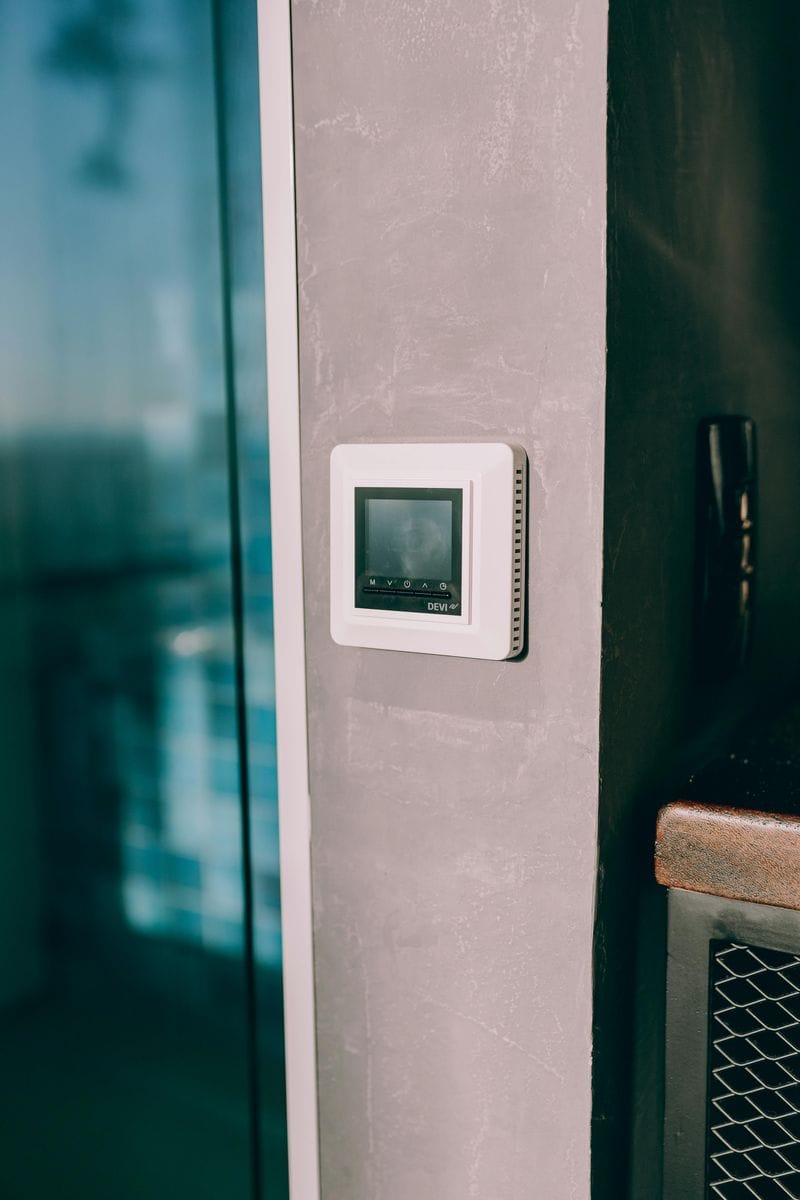
Heating and cooling can also contribute to overall household energy use. Any thermostat or electrical coordination depends on compatibility and agreed scope; it does not imply this page offers HVAC replacement, insulation, windows, or building-envelope services.
For broader wiring or electrical concerns, explore our residential electrical services.
Commercial & Managed-Property Improvements
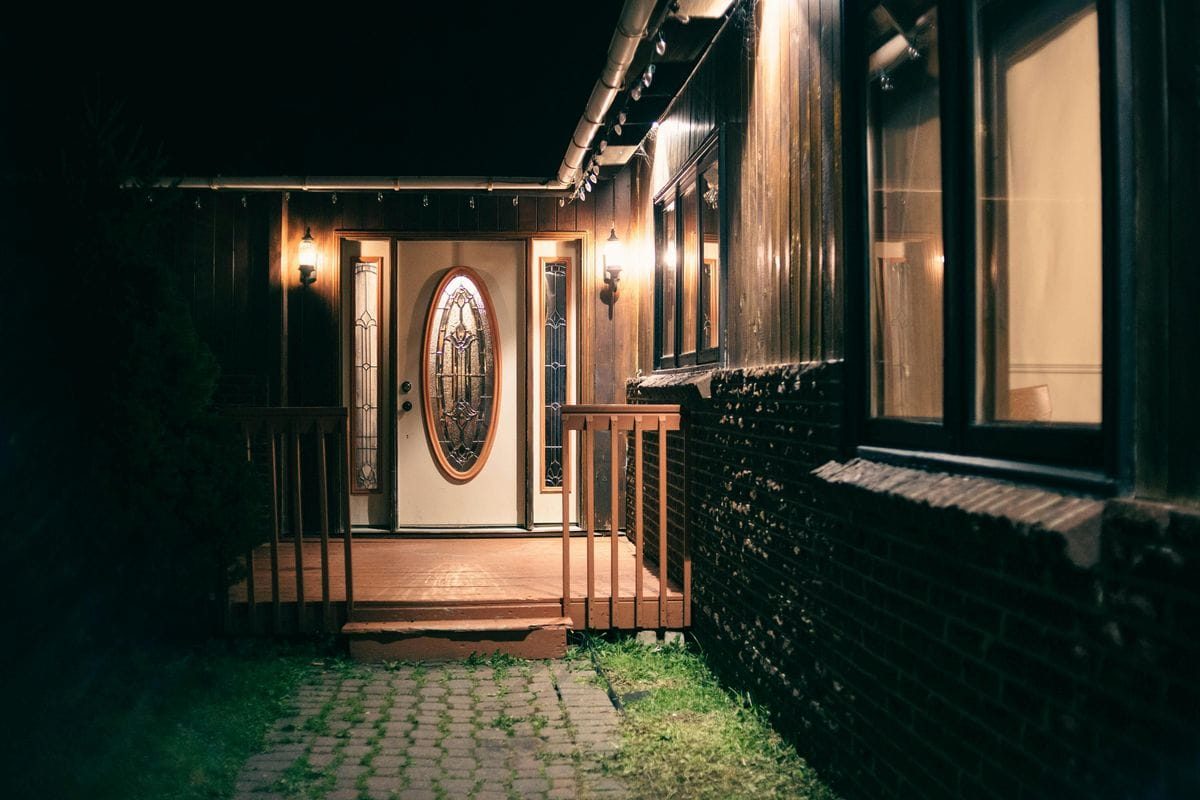
Commercial and shared spaces often operate on schedules that differ from a home. Offices, common areas, and exterior facilities may need lighting at different times, with controls and service access coordinated around the people using the property. A practical review begins with the affected areas and their actual operating needs.
Energy efficiency solutions may include suitable fixture upgrades, lighting zones, schedules, or compatible controls. Existing equipment, access restrictions, and maintenance responsibilities affect the scope.
Required security, emergency, egress, and operational lighting must be preserved. Applicable permits and project requirements depend on the work and jurisdiction.
See our commercial electrical services for wider property needs and outdoor lighting services for exterior installations.
Plan Energy Efficiency Solutions Around Your Property
Tell American Lighting & Electrical Services where the property is, whether it is a home or managed facility, and which equipment or operating patterns concern you. Describe the improvements you want and any existing product or usage information you know. We can discuss practical energy efficiency solutions and the assessment, compatibility, and coordination needed to define the work.
Efficiency, Solar Generation & Battery Storage
Efficiency, generation, and storage address different questions. Efficiency means using less energy to provide a comparable useful service. Adjusting operating hours can also avoid unnecessary use while preserving the function the property requires.
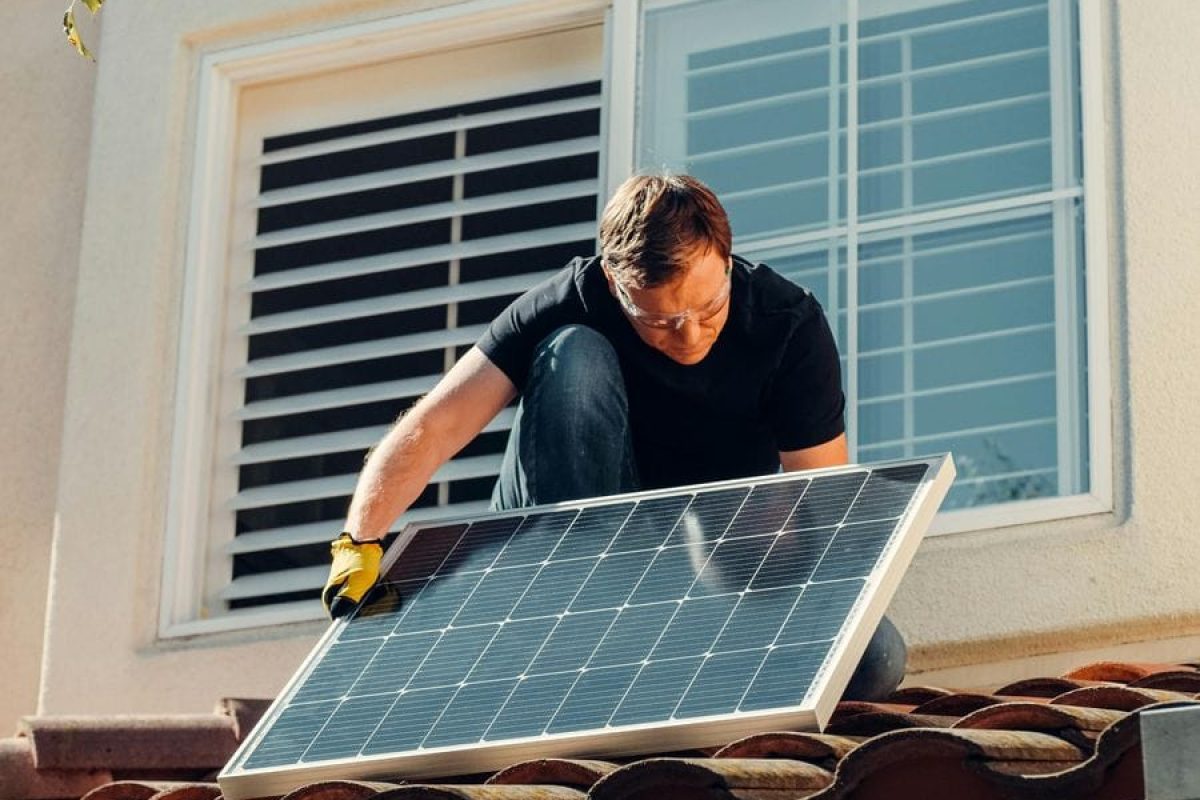
Solar equipment generates electricity; it does not inherently reduce the consumption of a light or appliance. Battery storage holds and shifts electricity and may support specified backup functions when an appropriately designed system includes them. Storage is not generation and does not automatically provide savings or whole-home backup.
Electricity costs also depend on rates, billing structure, and actual operation. No zero-bill, off-grid, export-payment, incentive, or guaranteed-return outcome follows from a general discussion. Energy efficiency solutions can be considered alongside generation and storage after reviewing actual use and goals.
For the specialist service, see solar installation and battery storage.

What Affects Project Cost and Potential Savings?
Project cost and potential savings are different quantities. Cost depends on equipment, access, electrical work, and coordination. Any savings estimate for energy efficiency solutions needs a relevant baseline, suitable replacement performance, actual input power, operating hours, applicable rates and billing assumptions, installed costs, and clear limitations.
| Evaluation factor | What is reviewed | Effect on cost or savings assessment |
|---|---|---|
| Equipment quantity and type | Existing and proposed fixtures or controls | Product and installation requirements shape cost |
| Existing conditions | Equipment condition and potential reuse | Affects the work needed and the relevant baseline |
| Wiring and access | Available routes, mounting, and working access | Can change installation and finishing coordination |
| Compatible controls | Drivers, dimmers, sensors, and settings | Changes scope and how equipment may operate |
| Installation and coordination scope | Electrical work and associated trades | Determines which project costs are included |
| Baseline use and billing information | Input power, operating hours, rates, and billing structure | Supports an estimate with stated assumptions and limitations |
Use one consistent baseline when evaluating combined fixture and control changes. Avoid counting the same reduction twice, and compare expected operation with actual use after installation.
What's our Clients Says About Us




Called them to install surge protector at my vacation home in west palm beach, It was a short notice call, Mike showed up, he was amazing, polite, professional and knowledgeable. I Will definitely recommend them to friends and family.

I greatly appreciate American Lighting for swiftly completing all the electrical work in my home. The service was exceptional from the knowledgeable and understanding office staff to the skilled technician who handled the job. I will definitely recommend this company to all my family and friends.

I’m so happy with the service that was provided to me by American Lighting Company. Armin and his team are amazing, highly professional and highly knowledgeable. I own multiple properties in Florida but live in Canada . It’s great having a trustworthy company servicing my properties while I’m far away.


We had a great experience working with you and Condo Potlights. The communication, installation ad professionalism of everyone was exceptional.Thanks!

American Lighting in partnership with Condo Potlight did a great job modernizing the lighting in my condo. Great people to work with….could not recommend enough!!!
Energy Efficiency Solutions FAQs
We discuss suitable lighting upgrades, compatible controls, operating schedules, and relevant electrical improvements within an agreed scope. The starting point is your equipment and how you use it.
Start with the equipment and operating pattern that concern you most, then review required function, hours, compatibility, installation cost, and your priorities. Energy efficiency solutions differ by property.
They can reduce electricity use when suitable replacement equipment uses less power while providing the needed light under comparable operating conditions. Actual results depend on the product, hours, and use.
No. Smart controls may be useful when compatible equipment is configured and used to avoid unnecessary operation while preserving required lighting. Schedules, user behavior, standby consumption, and network requirements affect the result.
Here it means discussing practical electrical and lighting routines, existing settings, and suitable compatible controls. It does not automatically include whole-home monitoring, circuit dashboards, automatic load management, or utility integration. Broader features require separately confirmed equipment and scope based on the property’s needs.
Sometimes. Suitable adjustments, compatible controls, replacement lamps, or selected fixture upgrades may be considered after reviewing existing condition and instructions. Not every fixture accepts a retrofit or works with every dimmer. Energy efficiency solutions should address the actual equipment and agreed work rather than assume complete replacement.
We discuss appropriate electrical and lighting improvements for homes, property managers, and commercial facilities. Requirements differ by occupancy, access, equipment, and scope. Shared spaces must preserve required lighting functions, while project-specific permits and coordination depend on the work and jurisdiction.
Ask how the contractor reviews required illumination, existing equipment, compatible controls, installation scope, and actual operating patterns. Confirm who handles associated work and what information supports any estimate. Energy-efficient lighting installers should explain the proposed choice without promising a fixed saving or assuming every fixture needs replacement.
Costs depend on equipment, access, electrical work, and coordination. An estimate of potential savings needs a baseline, comparable useful performance, input power, hours, applicable rates, installed costs, and stated assumptions. Combined fixture and control changes should be evaluated consistently to avoid counting the same reduction twice.
No. Solar generates electricity, while efficiency reduces the energy required for a comparable useful service. Battery storage holds and shifts electricity and may support specified backup functions when appropriately designed. These goals can be discussed together without assuming zero bills, automatic backup, or guaranteed returns.
Electrical and Lighting Services Across South Florida - We Serving West Palm Beach & Nearby Communities
American Lighting and Electrical Services serves West Palm Beach and nearby South Florida communities with professional electrical and lighting solutions. West Palm Beach is our primary service area, with availability in surrounding communities and other parts of South Florida depending on the service requested, property location, and project requirements.
Central & North Palm Beach County
Our headquarters zone, providing rapid response for both residential and commercial electrical needs.
West Palm Beach
Palm Beach Gardens
Jupiter
Riviera Beach
Wellington
Royal Palm Beach
South Palm Beach County
Serving growing residential communities and commercial centers throughout the southern county.
Boca Raton
Delray Beach
Boynton Beach
Lake Worth Beach
Greenacres
Lantana
Martin County & Treasure Coast
Providing comprehensive electrical and flagpole installation services to the north.
Stuart
Port St. Lucie
Hobe Sound
Jensen Beach
Palm City
Fort Pierce
Broward County
Specializing in urban commercial projects, high-rise electrical, and bucket truck services.
Fort Lauderdale
Pompano Beach
Deerfield Beach
Coral Springs
Hollywood
Coconut Creek