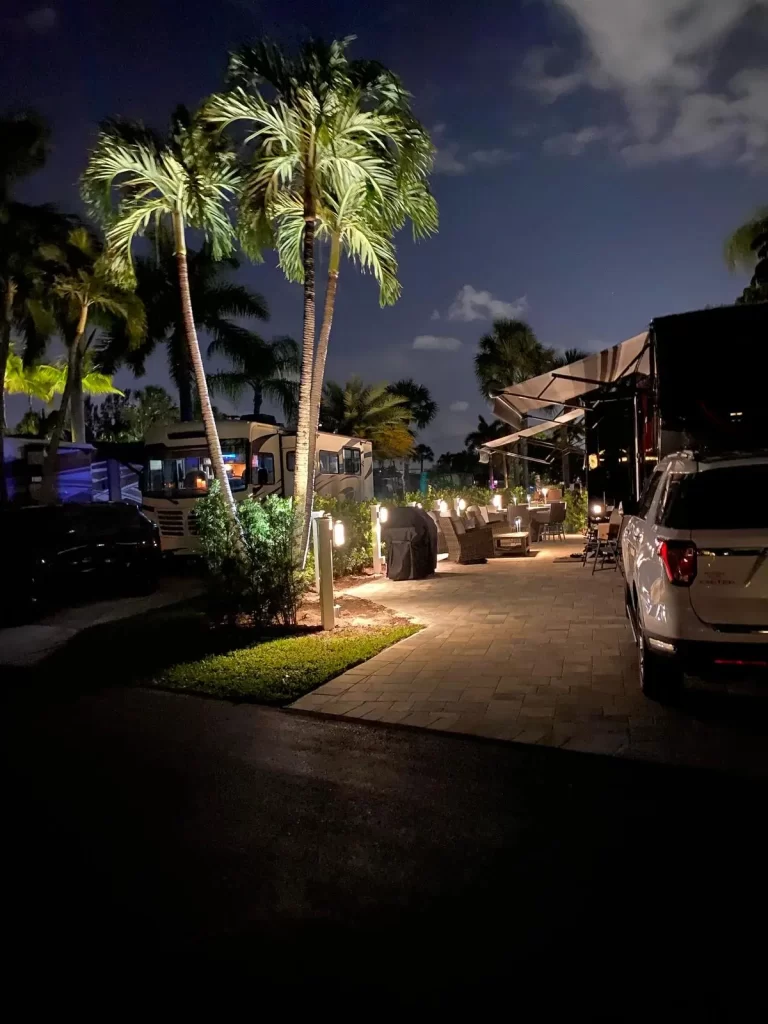

Commercial exterior lighting plays a critical role in safety, visibility, and brand perception. From parking areas and walkways to building facades and entry points, well-maintained lighting systems help businesses operate smoothly while reducing risk and unexpected repair costs.
If you’re responsible for maintaining commercial exterior lighting, proactive care is the key to avoiding outages, extending equipment life, and ensuring consistent performance. This article outlines practical maintenance tips that help property managers and business owners keep exterior lighting systems reliable year-round.
Why Exterior Lighting Maintenance Matters for Commercial Properties
Exterior lighting systems are constantly exposed to weather, temperature changes, dust, and electrical stress. Without regular maintenance, even high-quality fixtures can degrade faster than expected.
Consistent maintenance helps:
- Reduce safety and liability risks
- Prevent unexpected outages
- Lower long-term repair expenses
- Maintain a professional property appearance
- Extend fixture and component lifespan
For retention-focused strategies, reliable lighting builds trust and minimizes emergency service calls.

Perform Regular Visual Inspections
Routine visual checks are one of the simplest yet most effective maintenance practices.
During inspections, look for:
- Flickering or dim lights
- Burnt-out fixtures
- Cracked lenses or exposed wiring
- Corrosion on poles or mounts
- Misaligned or tilted fixtures
Early detection allows minor issues to be resolved before they escalate into costly failures requiring full exterior lighting repairs.
Clean Fixtures and Lenses Periodically
Dirt, dust, and pollution can significantly reduce light output over time. Even fully functional fixtures may appear dim due to dirty lenses or housings.
Regular cleaning:
- Improves light efficiency
- Enhances visibility and uniformity
- Reduces strain on electrical components
For elevated fixtures, professional teams using high-reach electrical equipment ensure cleaning is done safely and correctly.
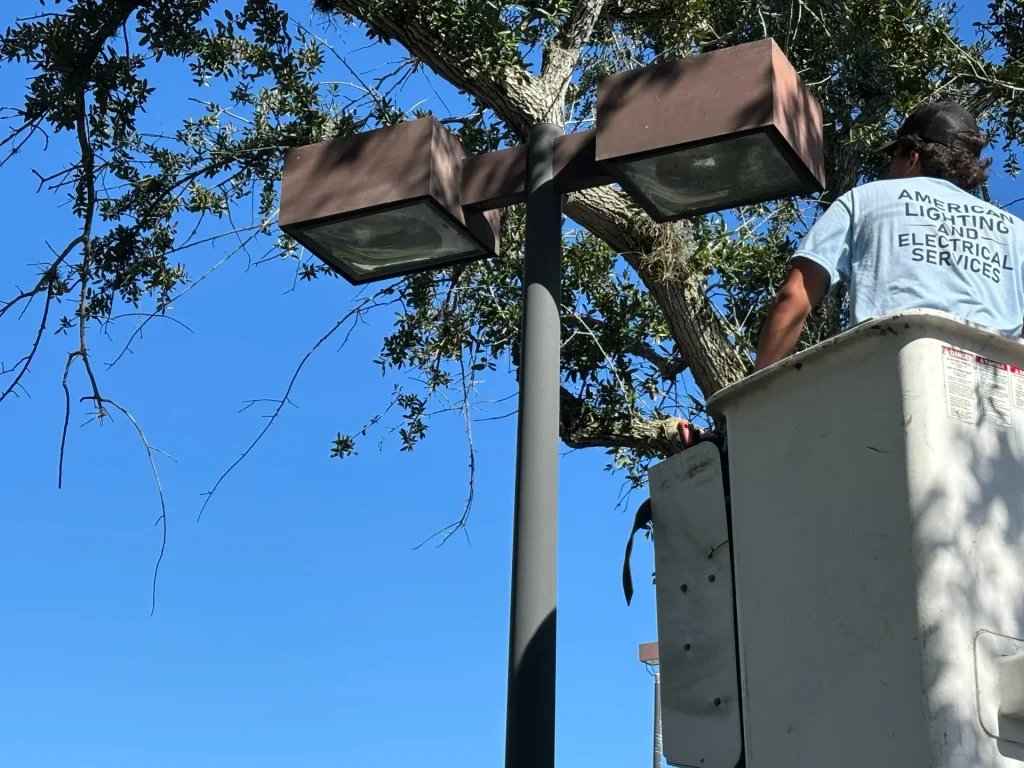
Check Electrical Components and Connections
Exterior lighting systems rely on stable electrical connections to function properly. Loose wiring, worn connectors, or failing drivers can cause intermittent outages or premature fixture failure.
Periodic electrical checks help identify:
- Voltage inconsistencies
- Aging drivers or ballasts
- Faulty photocells or timers
- Moisture intrusion in enclosures
Addressing these issues early supports long-term performance and system reliability.
Maintain Poles, Mounts, and Structural Elements
Lighting maintenance isn’t limited to fixtures alone. Poles, brackets, and mounting hardware must also be inspected for structural integrity.
Over time, weather exposure can lead to:
- Rust or corrosion
- Loose anchor bolts
- Foundation shifting
- Stress fractures in mounts
Structural maintenance ensures fixtures remain secure and properly aimed, especially in parking lots and open commercial areas.
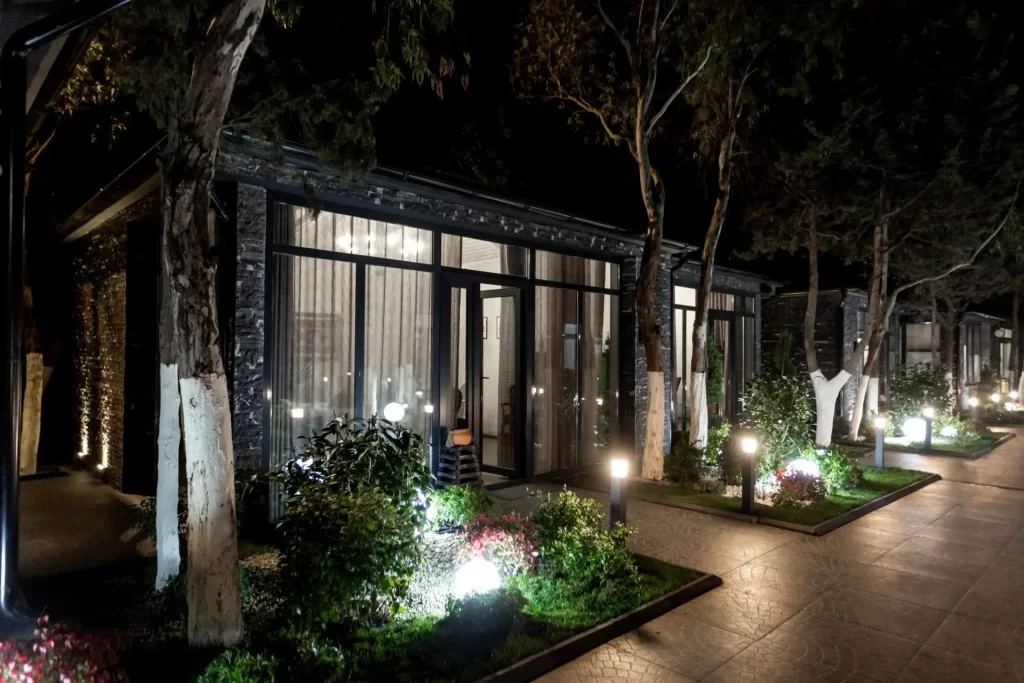
Monitor Lighting Controls and Automation Systems
Many commercial exterior lighting systems use automated controls such as photocells, timers, or smart lighting management systems. When these components fail, lights may turn on at the wrong time — or not at all.
Routine testing of controls helps:
- Maintain consistent lighting schedules
- Reduce energy waste
- Prevent unnecessary wear on fixtures
If issues arise, professional assessment can determine whether repair or system optimization is needed.
Schedule Preventive Maintenance Instead of Reactive Repairs
One of the most effective retention strategies is shifting from reactive fixes to preventive maintenance. Waiting for failures often leads to emergency calls, higher costs, and operational disruption.
Preventive maintenance programs offer:
- Predictable service schedules
- Lower long-term costs
- Fewer outages
- Improved system lifespan
Many businesses choose ongoing exterior lighting maintenance to ensure consistent performance year-round.
Know When to Call Professionals for High-Reach Lighting
Some exterior lighting fixtures are simply not accessible without specialized equipment. Attempting DIY fixes at height increases safety risks and liability exposure.
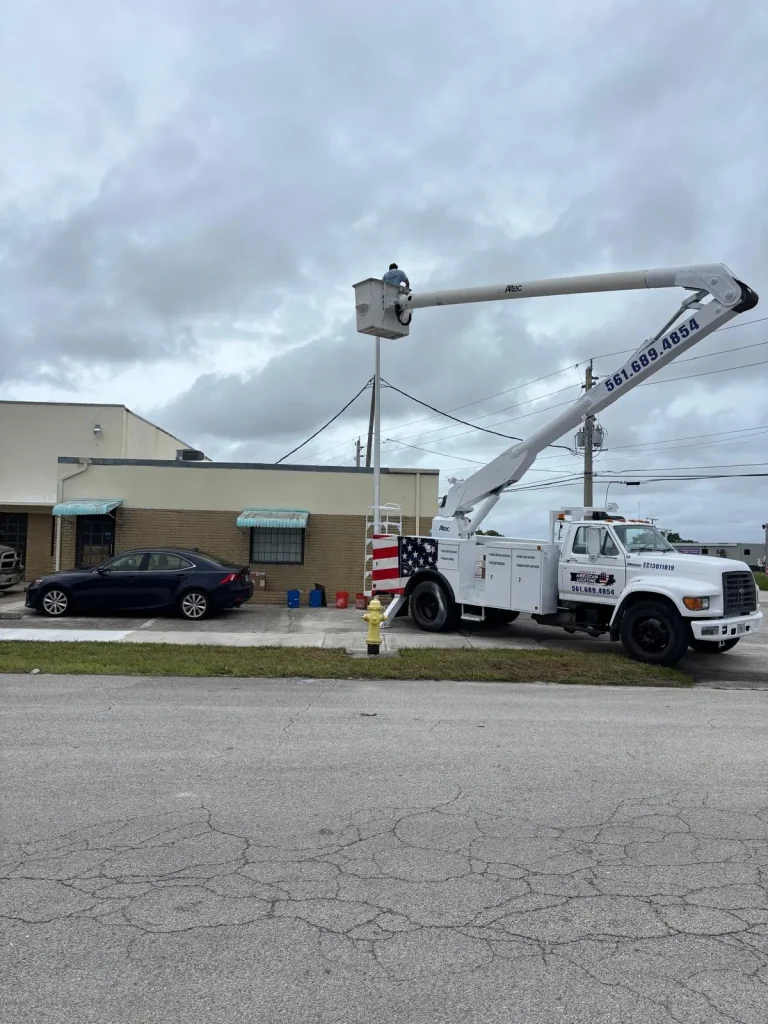
Professional teams with bucket truck services can safely service tall poles, building-mounted fixtures, and complex layouts without disrupting daily operations.
Keep Maintenance Records and Performance History
Tracking maintenance history helps identify recurring issues and supports better planning. Records allow facility managers to:
- Spot patterns in failures
- Budget for upgrades or replacements
- Coordinate maintenance across multiple properties
- Improve communication with service providers
This data-driven approach strengthens long-term partnerships and improves retention outcomes.
Frequently Asked Questions
How often should commercial exterior lighting be inspected?
Most properties benefit from quarterly inspections, with more frequent checks for high-traffic or high-exposure areas.
Can regular maintenance reduce lighting repair costs?
Yes. Preventive maintenance minimizes emergency repairs and extends the lifespan of fixtures and electrical components.
Are LED exterior lights maintenance-free?
LEDs require less maintenance but still need inspections, cleaning, and electrical checks to perform optimally.
When should exterior lighting be professionally serviced?
Any work involving elevated fixtures, electrical diagnostics, or structural components should be handled by professionals.
Conclusion
Effective commercial exterior lighting maintenance is about consistency, prevention, and long-term planning. By inspecting fixtures, maintaining electrical components, cleaning lenses, and scheduling preventive service, businesses can reduce outages and protect their investment.
For commercial properties, lighting reliability isn’t just a convenience — it’s part of operational excellence. Partnering with professionals who provide ongoing commercial exterior lighting services ensures your systems remain safe, efficient, and dependable over time.